Client
YELTIC
DELIVERABLES
uX design
UI DESIGN
ILLUSTRATIONS
Year
2025/2026
Role
MID UX Designer
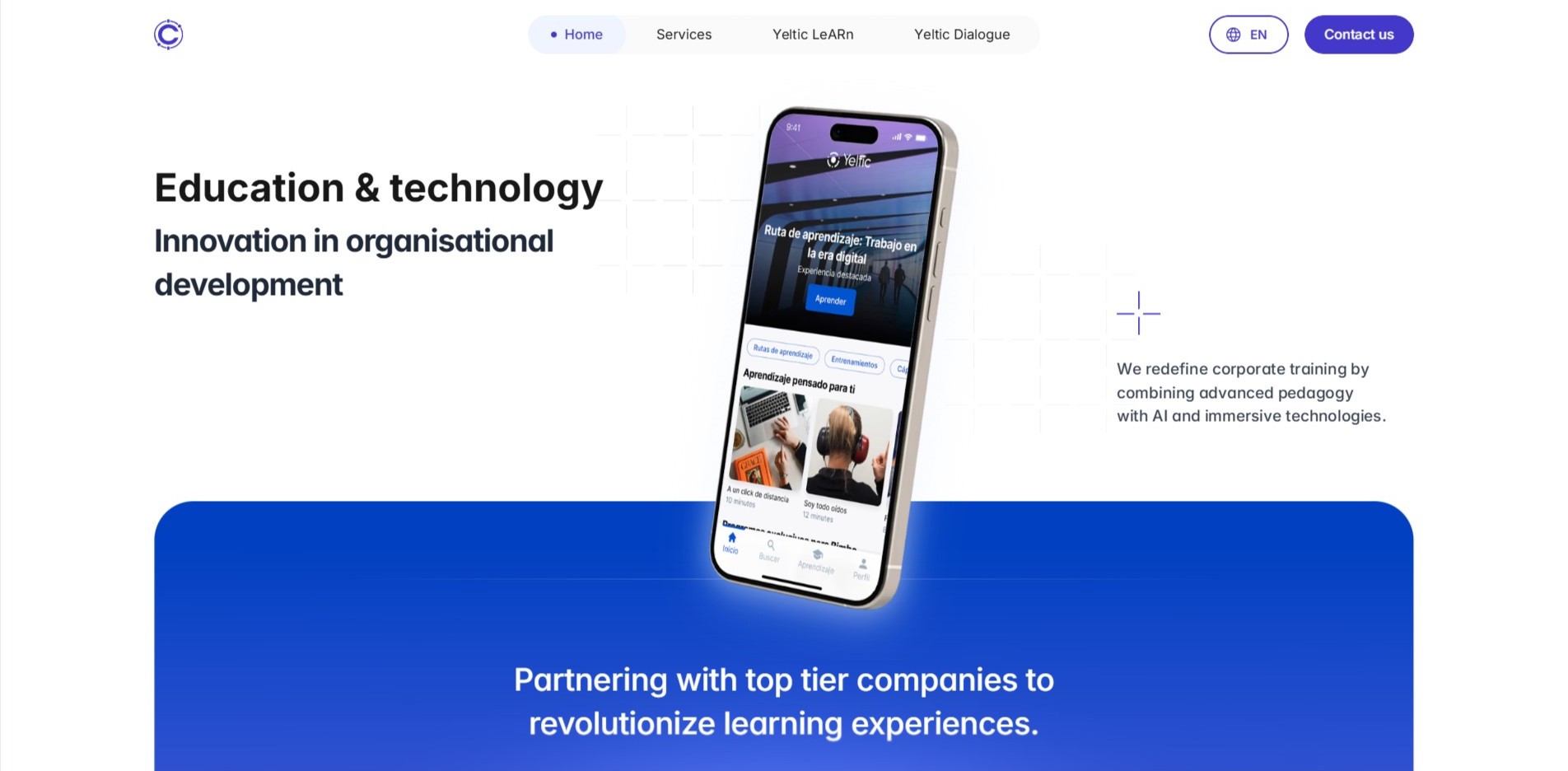
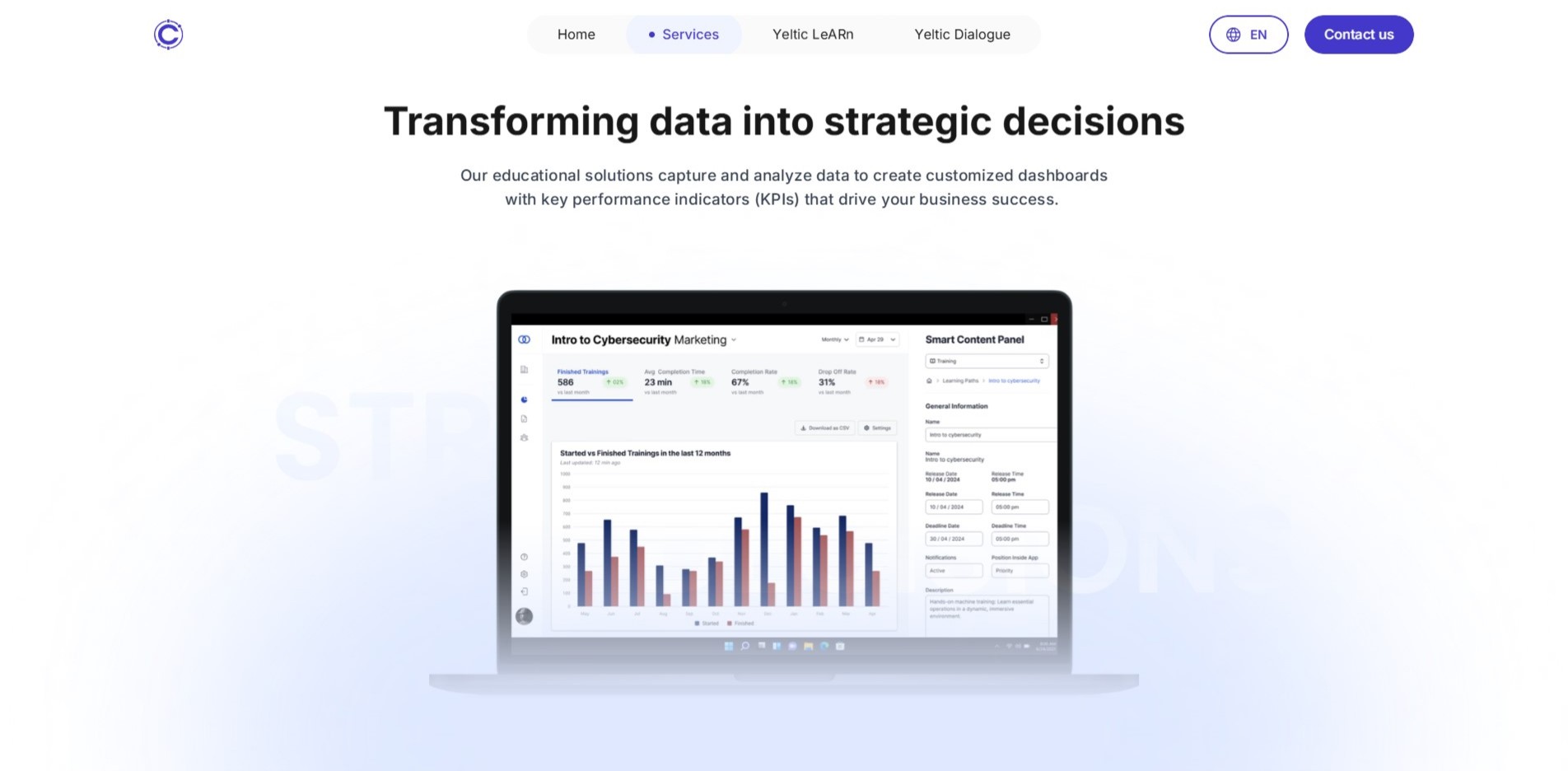
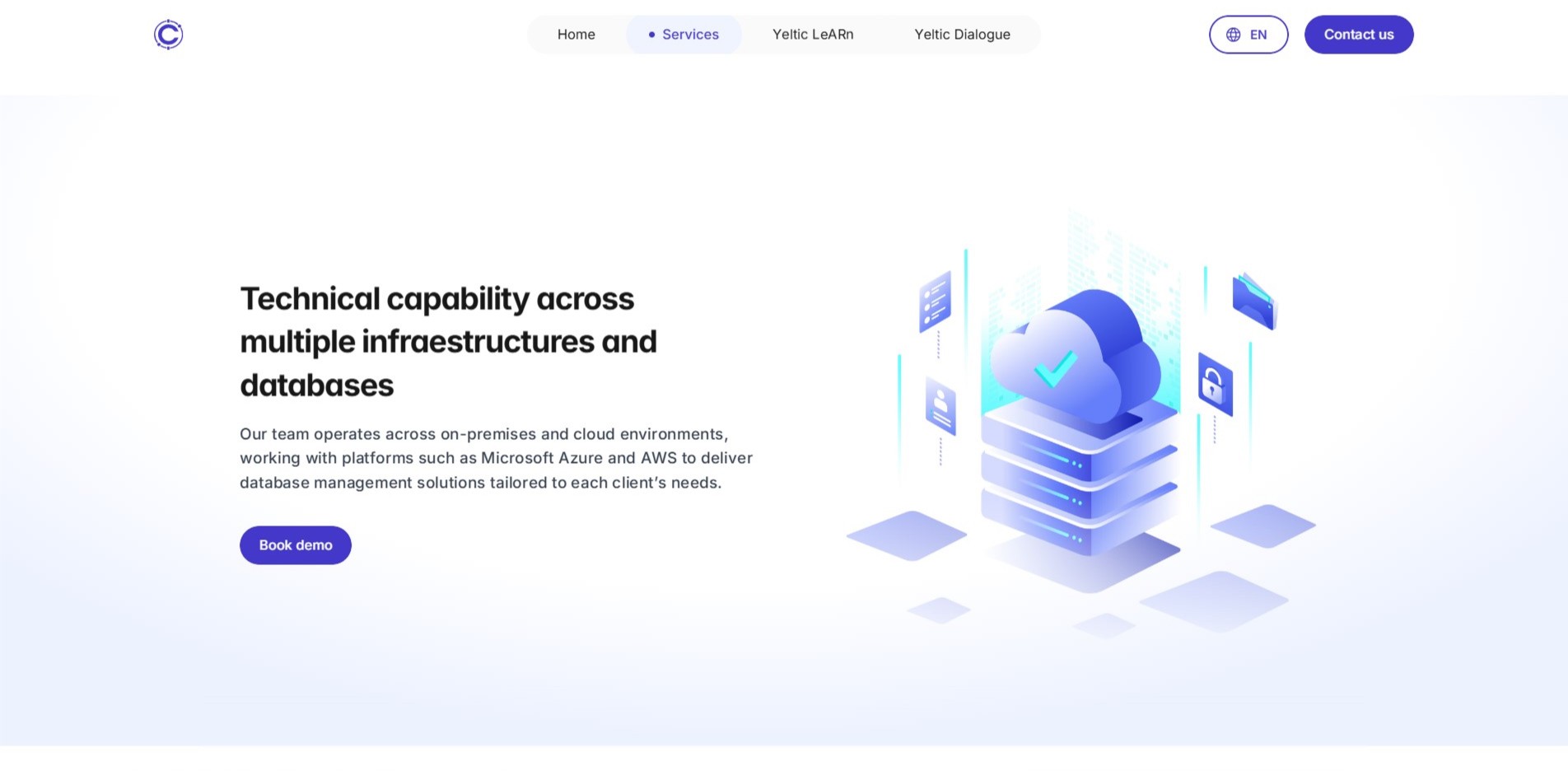
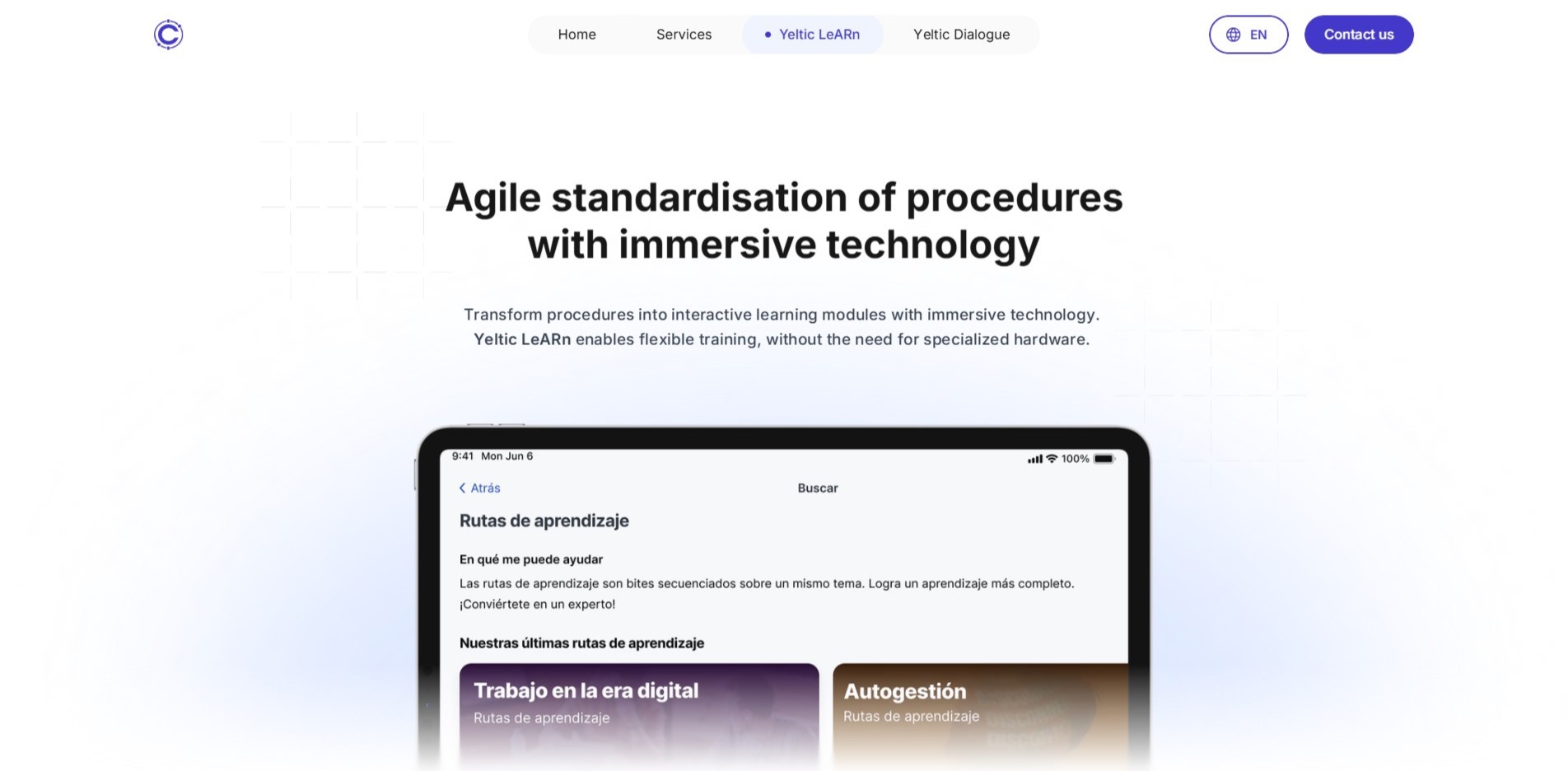
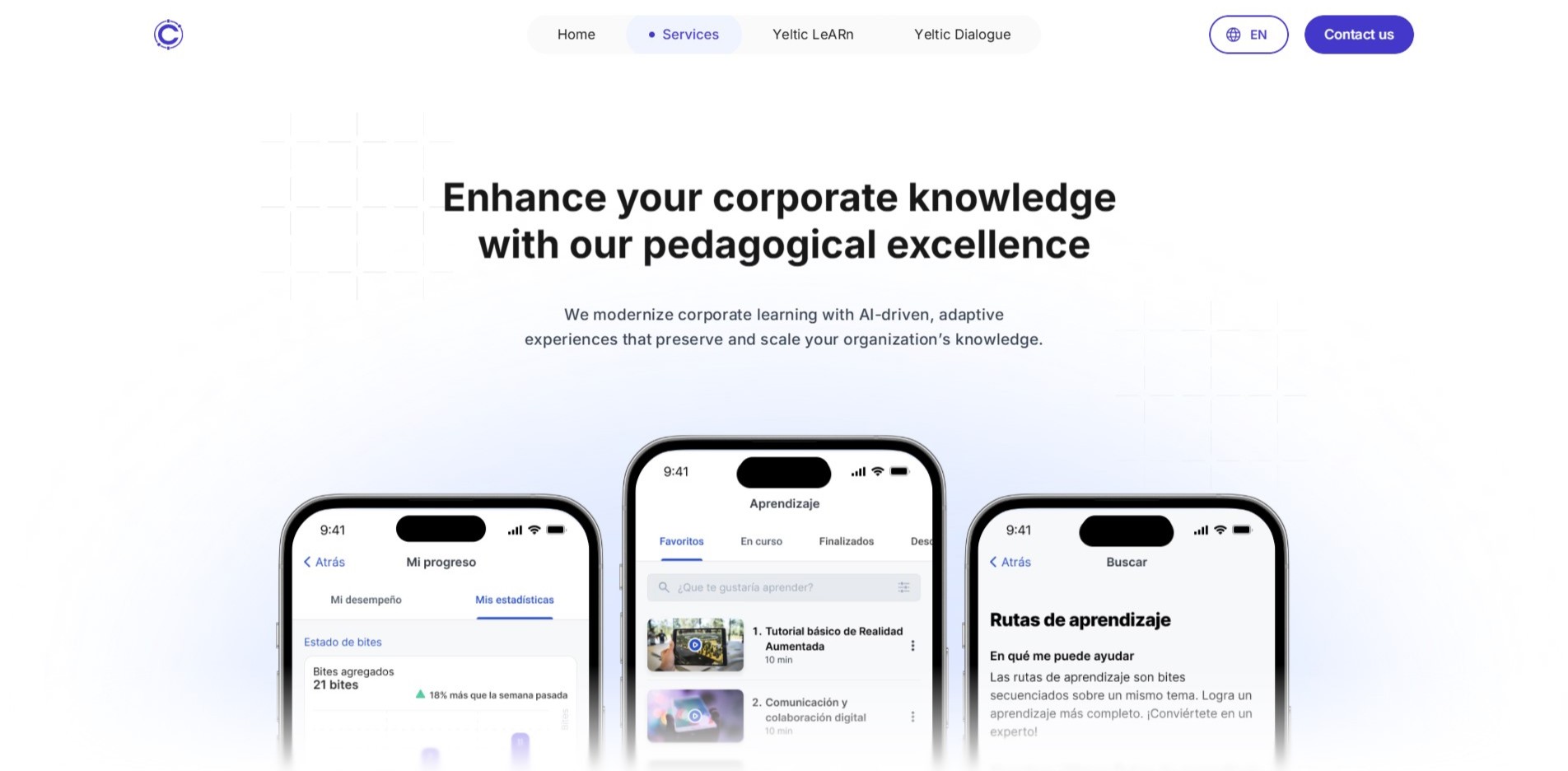
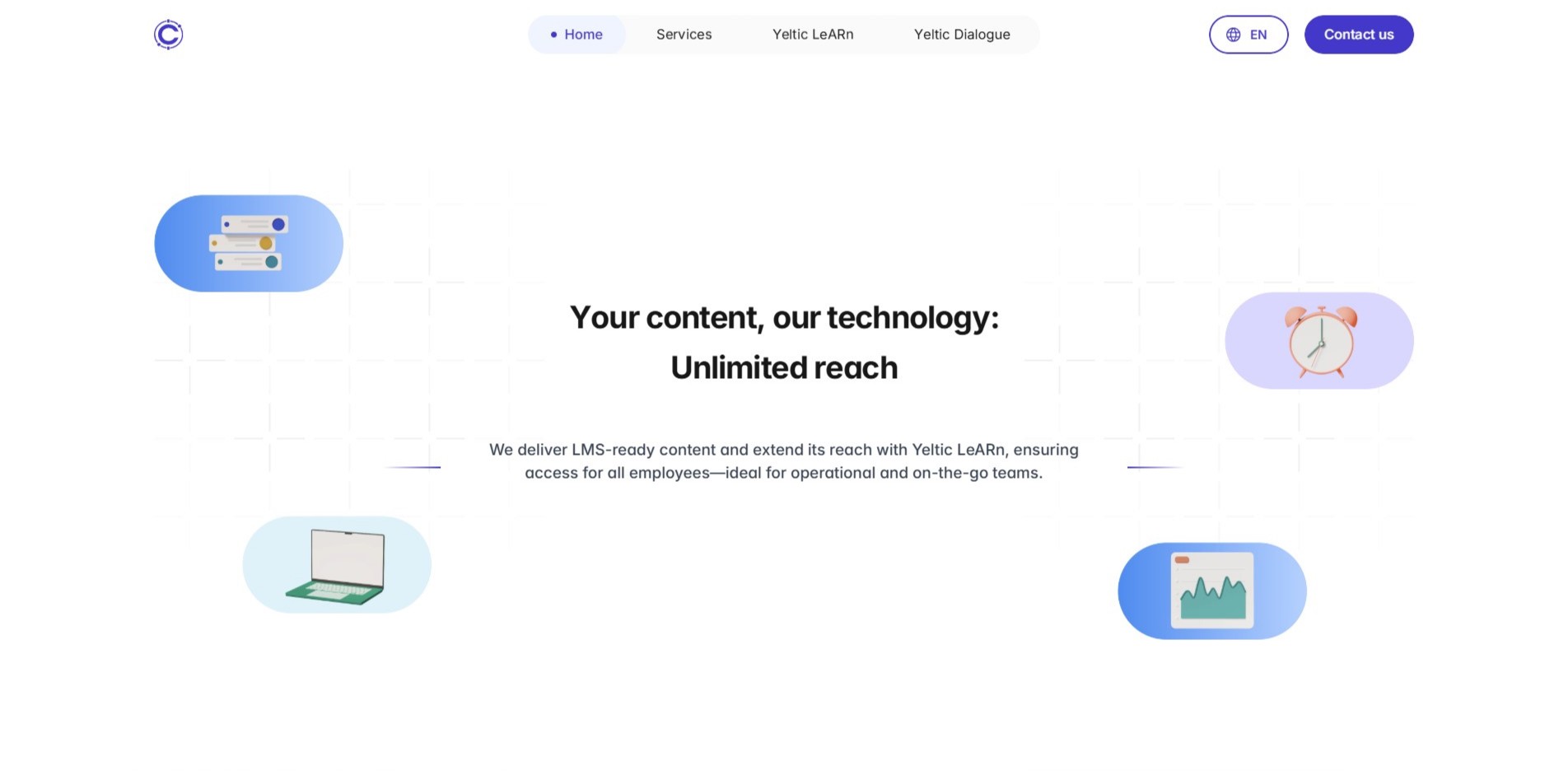
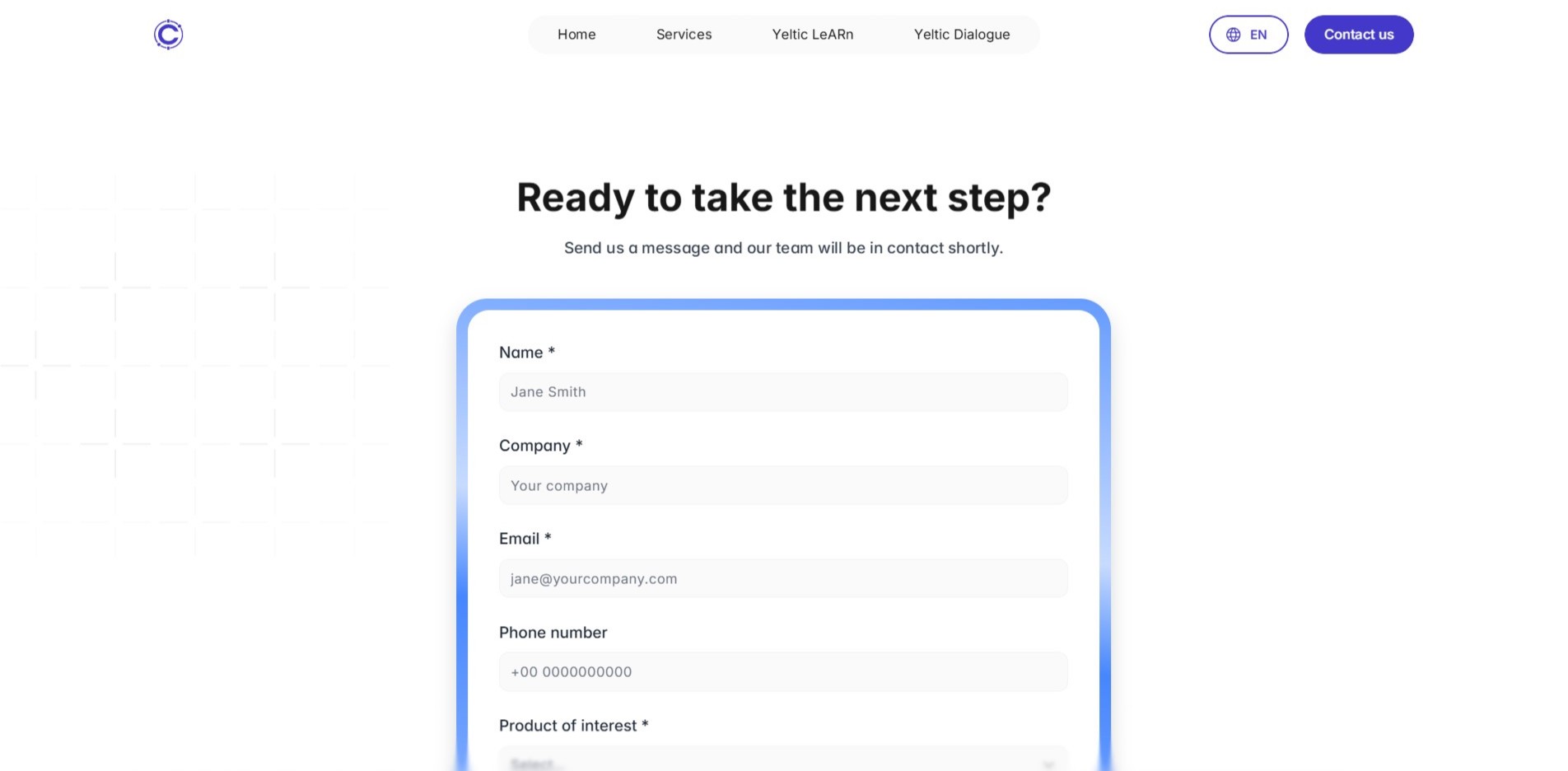
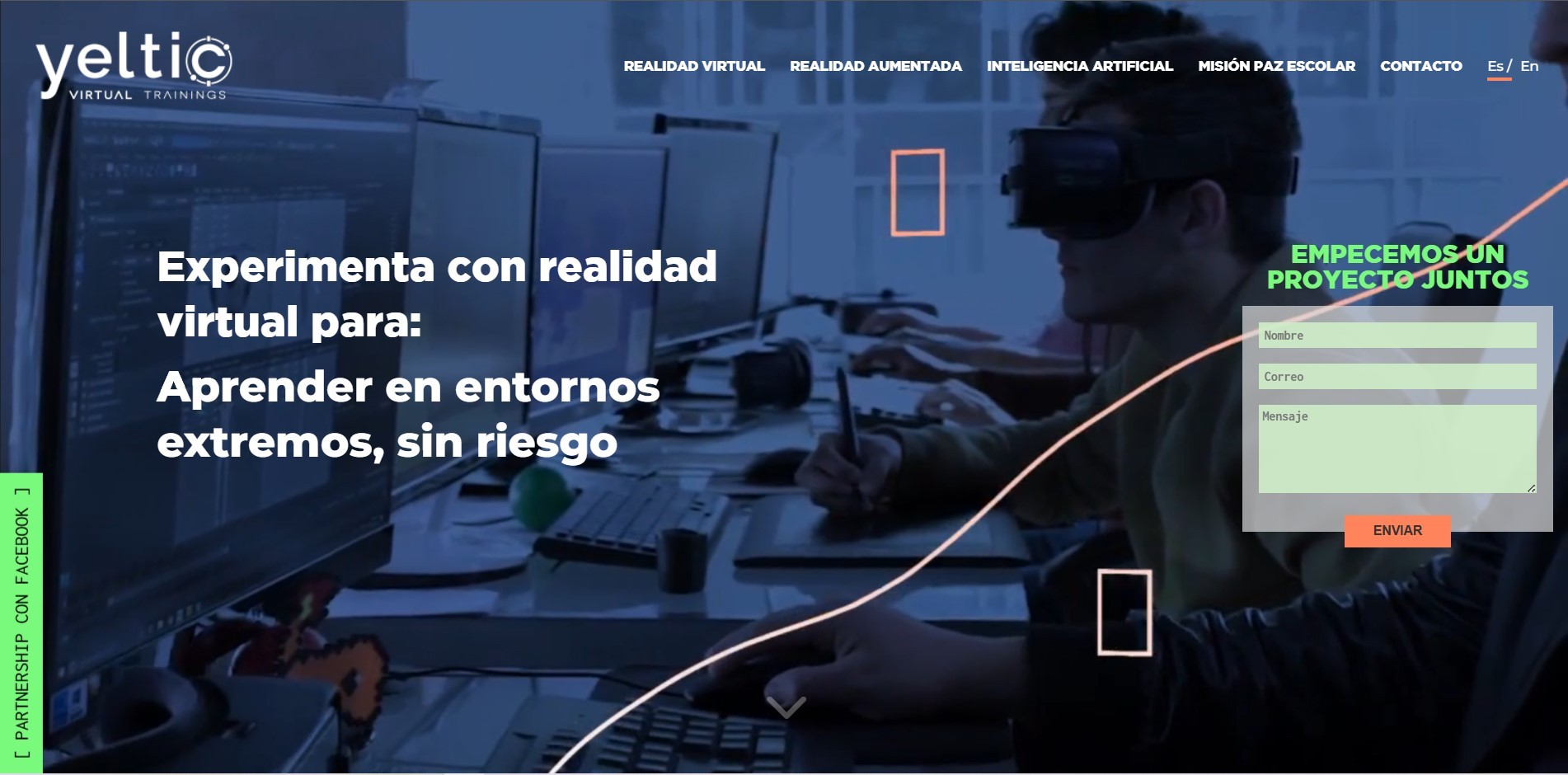
Beyond visual and structural issues, the company was experiencing commercial pressure due to low inbound acquisition. Limited new client generation had impacted revenue stability, increasing the urgency of strengthening the company’s digital presence.
In a B2B environment where first impressions heavily influence trust, the outdated website was no longer supporting business growth.
Main issues:
Poor mobile responsiveness
Outdated visual language
Non-functional interactions
Static single-page structure
Low inquiry rate
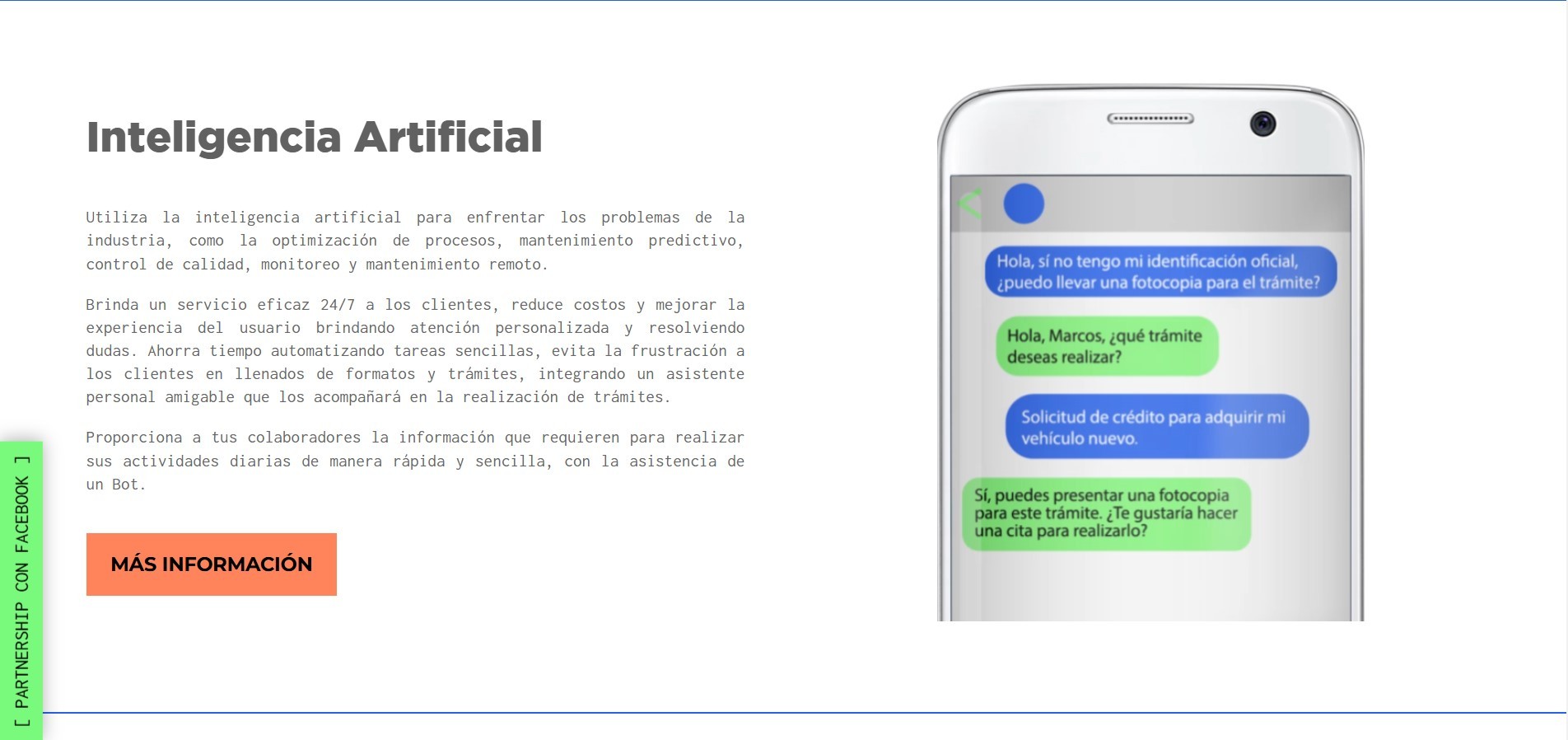
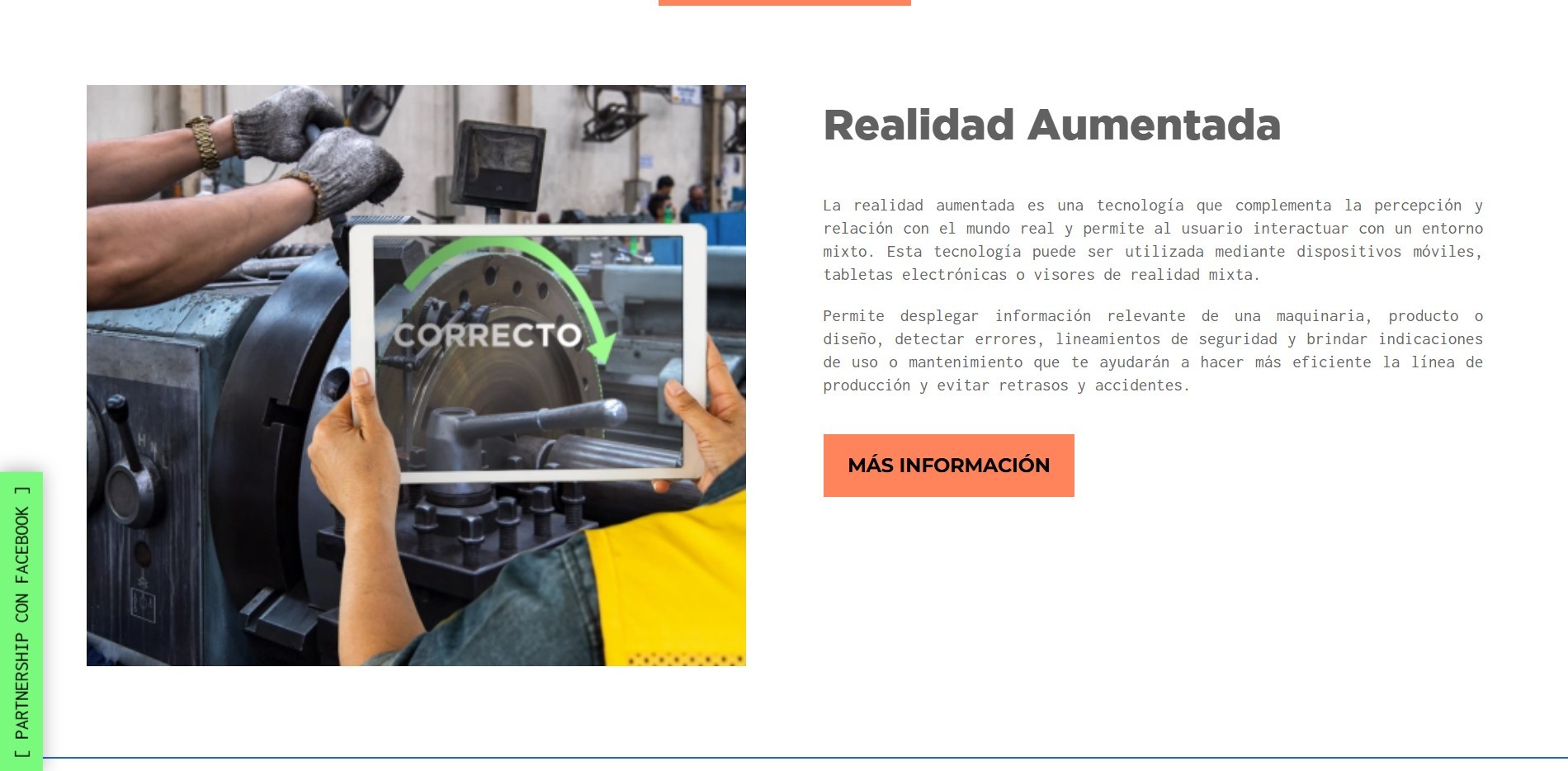
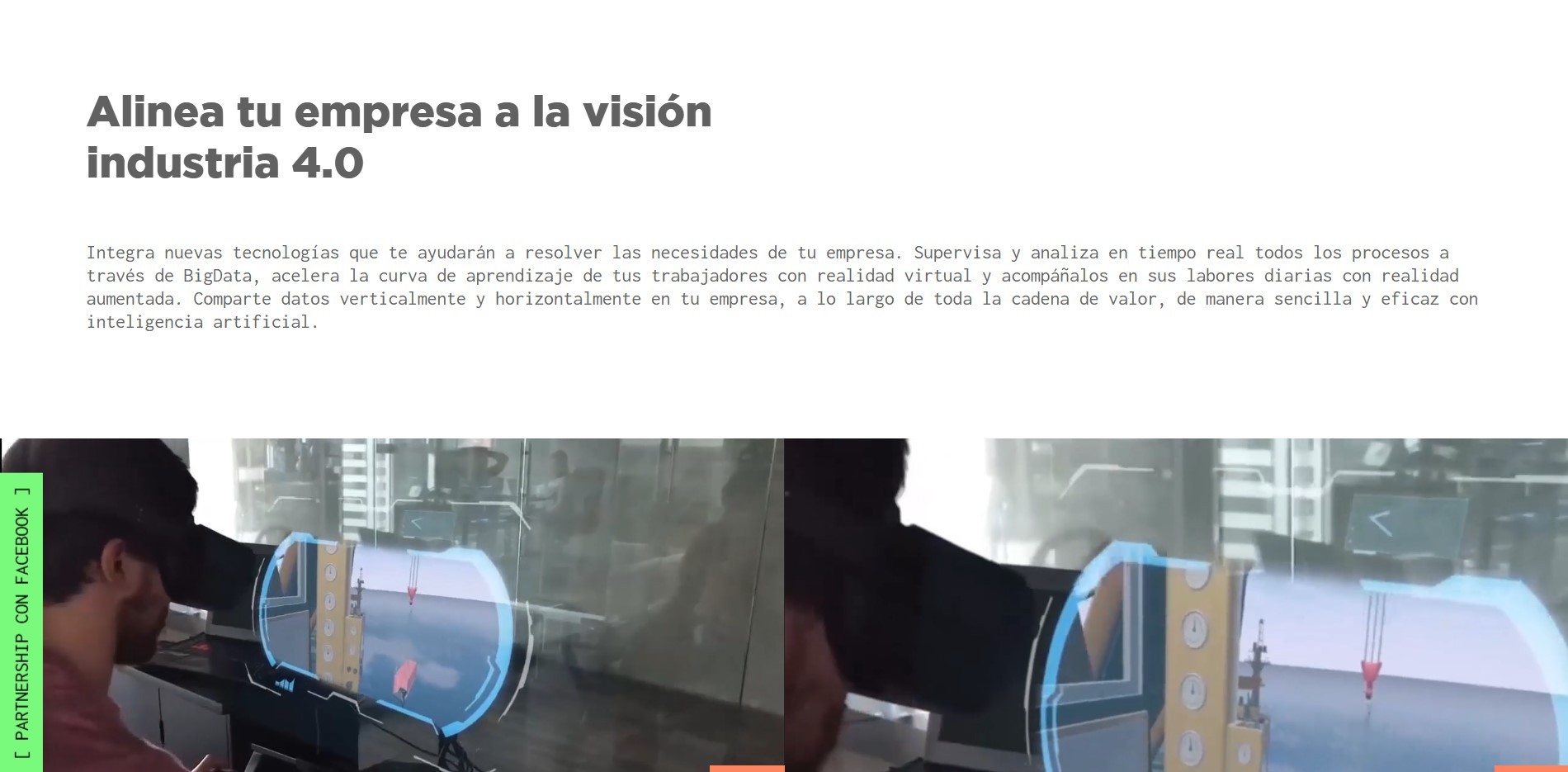
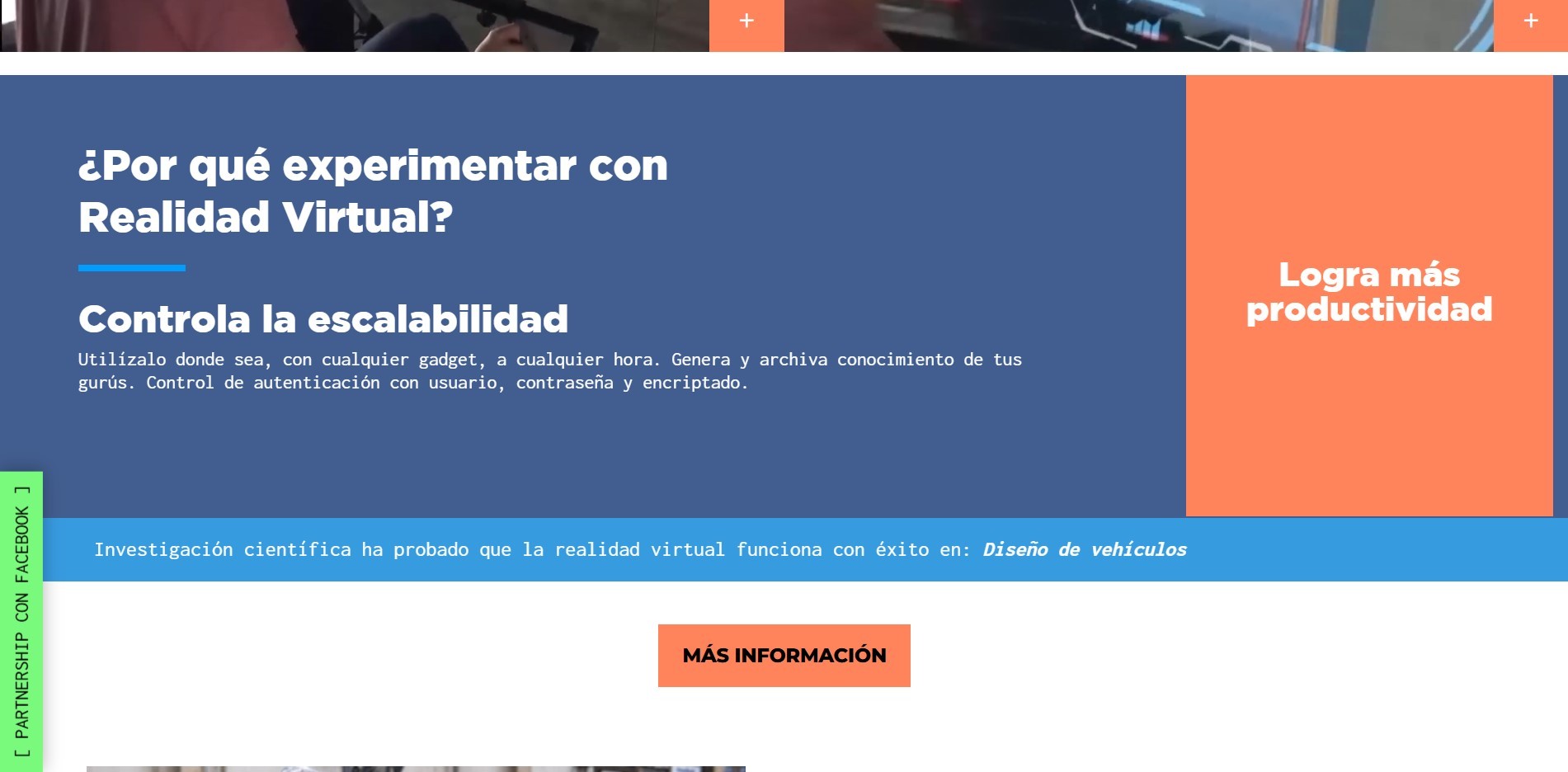
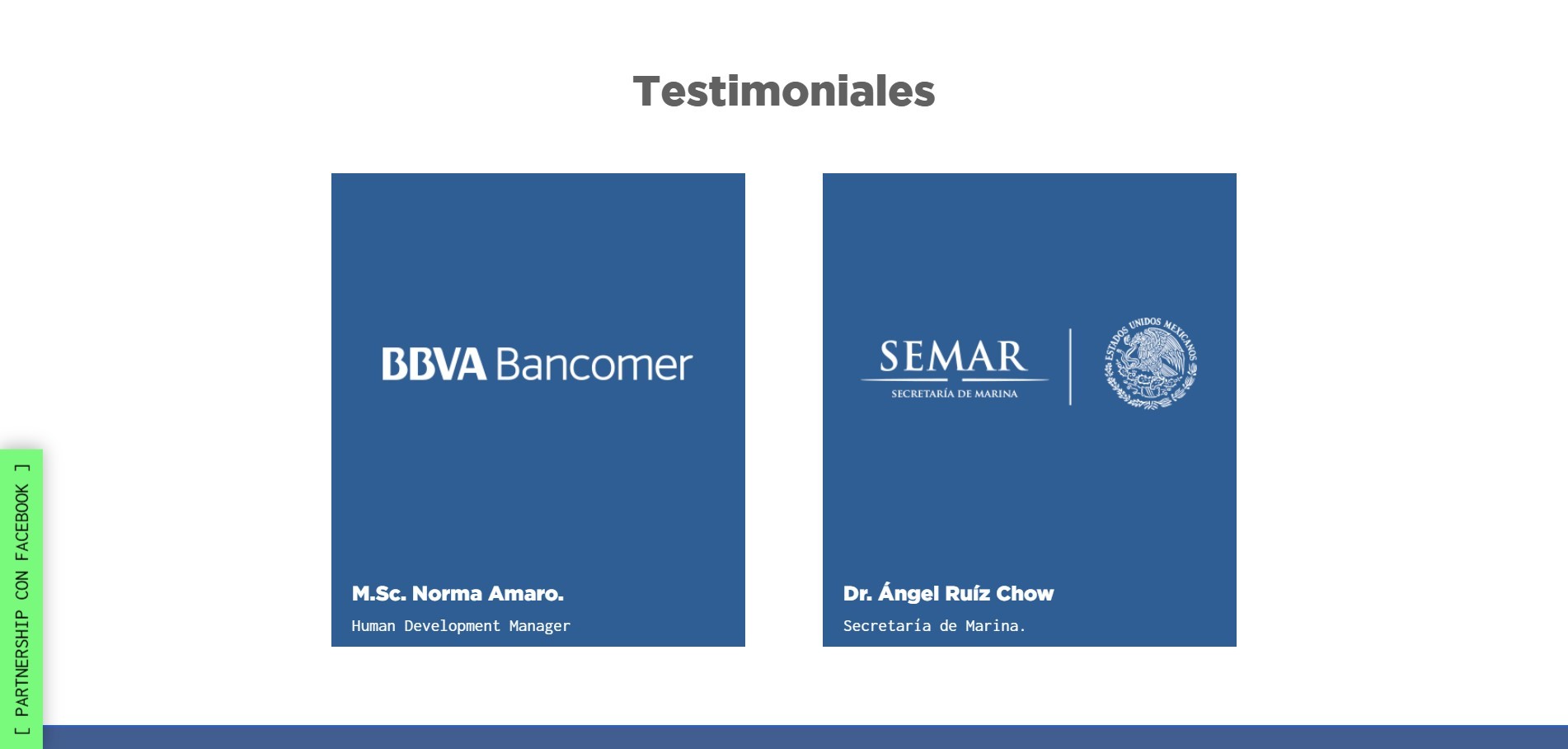
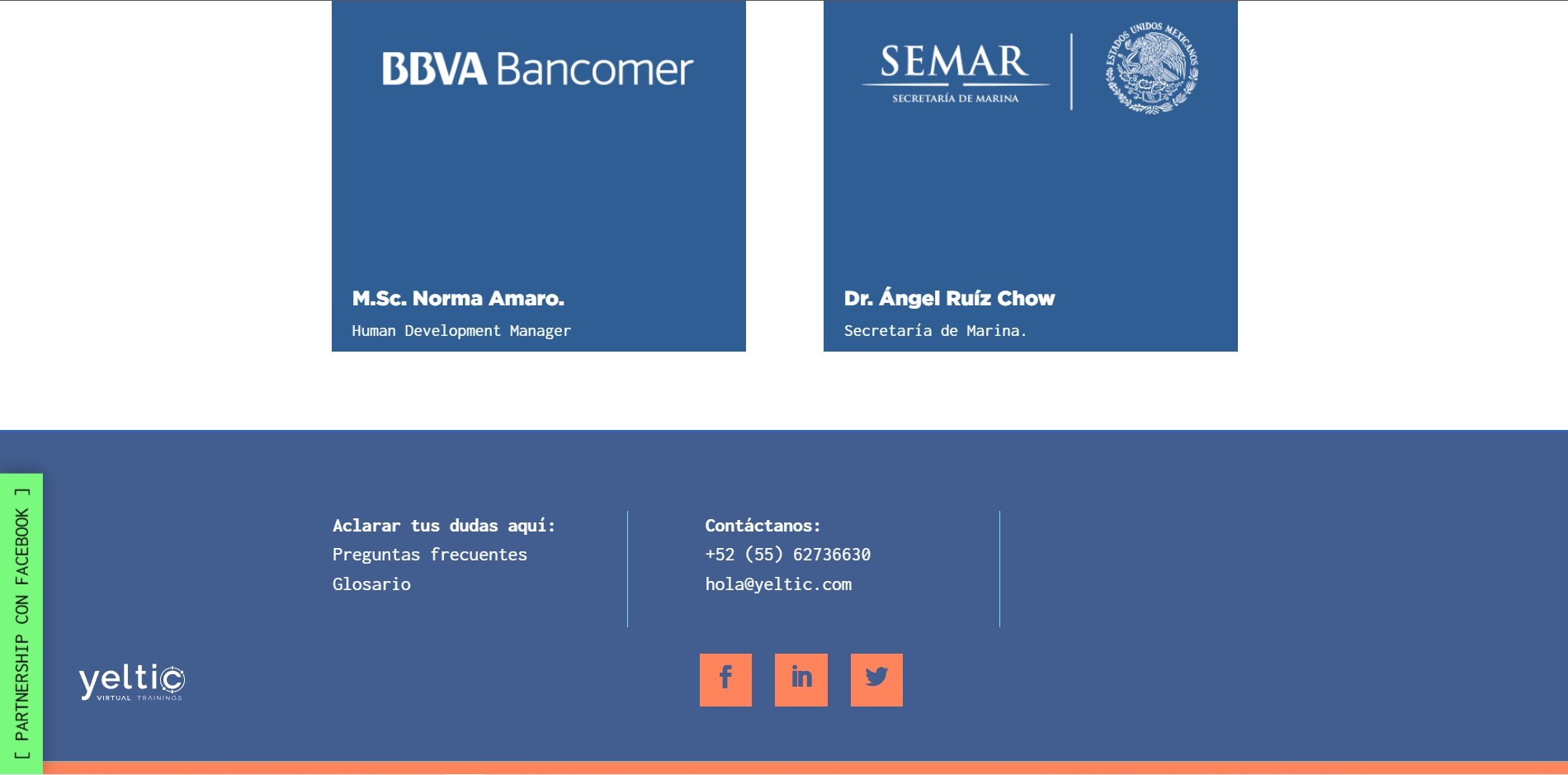
I was entrusted with leading the implementation of the new landing page within a four week timeframe and while we had some advantages, as previously validated visual guidelines and the copy for all the stablished sections. They were various factors that played as stoppers along the journey.
01
While 20 working days are enough to fully implement a basic website with all its assets, the project coincided with the holiday period, shortening the timeline by six working days.
02
Given the limited availability of development and design teams at the time, I assumed full ownership of the project’s design and implementation.
03
To mitigate technical risk and accelerate delivery, I proposed building the website in Framer (no-code website builder), instead of wordpress. After aligning on budget and scalability considerations, the co-founder approved this approach.
04
Approaching the delivery date, the project faced a late-stage content gap for a newly introduced section. To avoid delaying the release, my team lead assumed the commercial team’s role in drafting the copy, enabling us to maintain momentum while awaiting final validation.
With the website's pain points identified, my main responsibilities now included:
My team lead highly suggested not to start from scratch, so I searched in Framer's library for the template that best matched the previously proposed visual style.
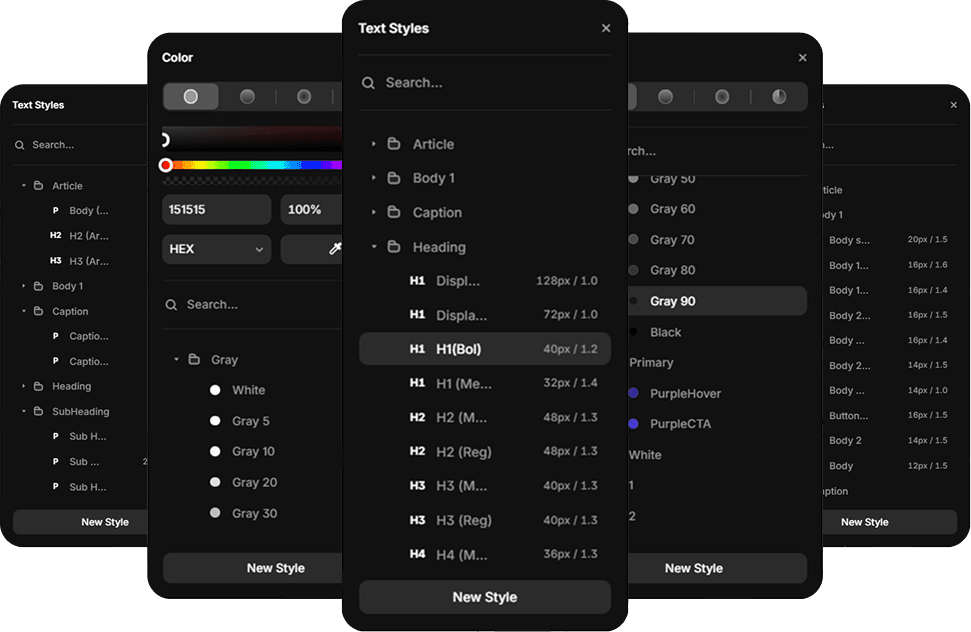
Preserving our brand guidelines, I started by building and modifying basic components, while adding the website’s color palette and typography tokens to the template, ensuring consistency scalability and faster iteration throughout production.
After reviewing the provided copy, I condensed key sections to improve scannability and clarity.
Using the template as a structural foundation, I adapted its layout system to align with the proposed visual guidelines, customizing components and spacing to ensure consistency with both content and identity requirements. At this point, all my sections included placeholder images, for a better preview of the final layout.
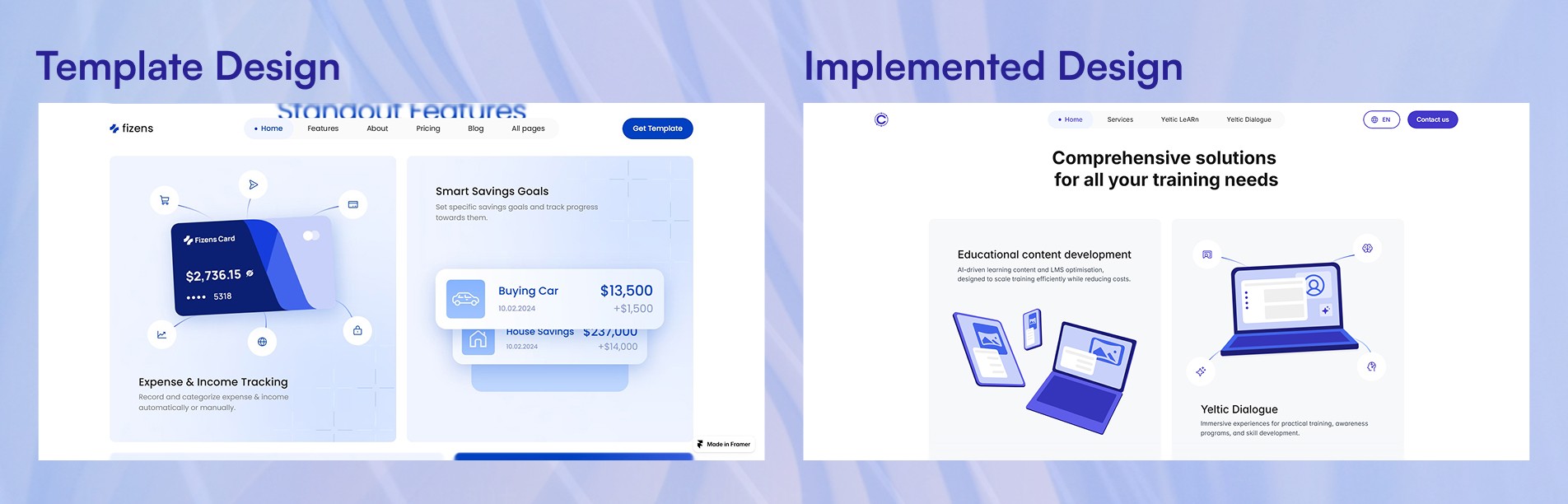
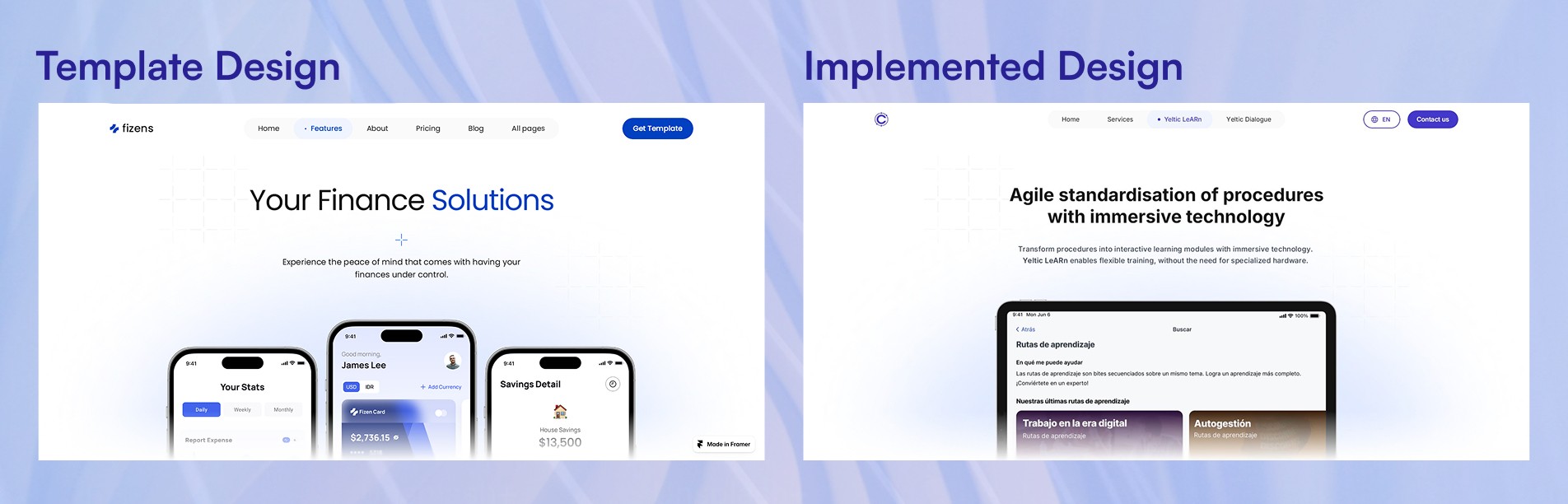
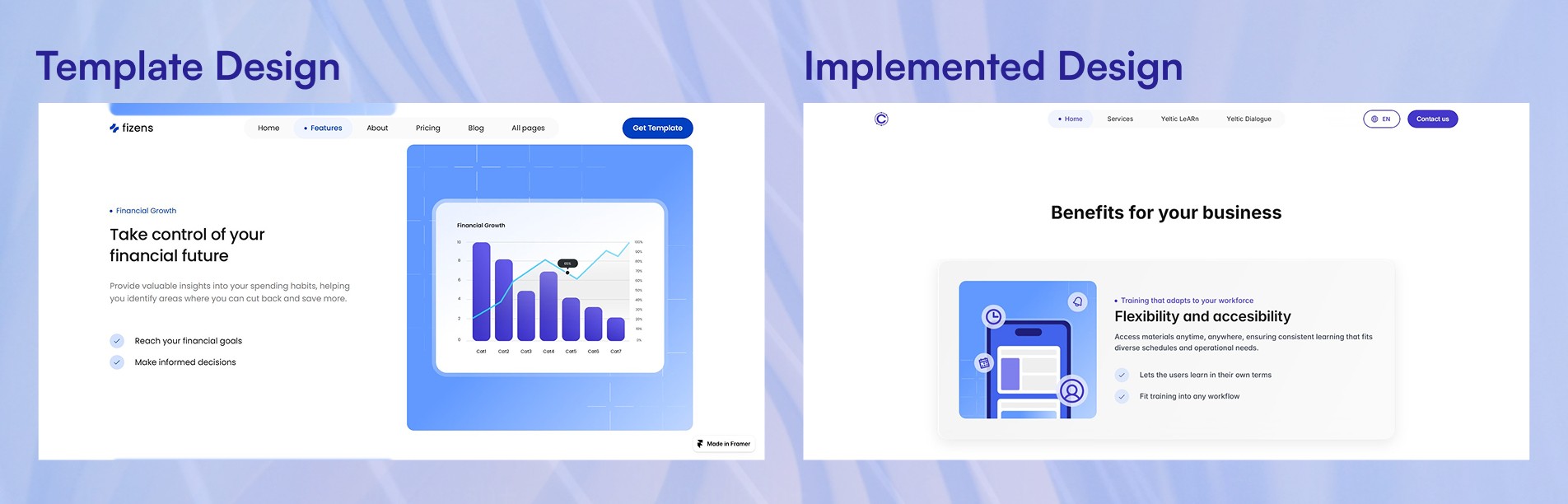
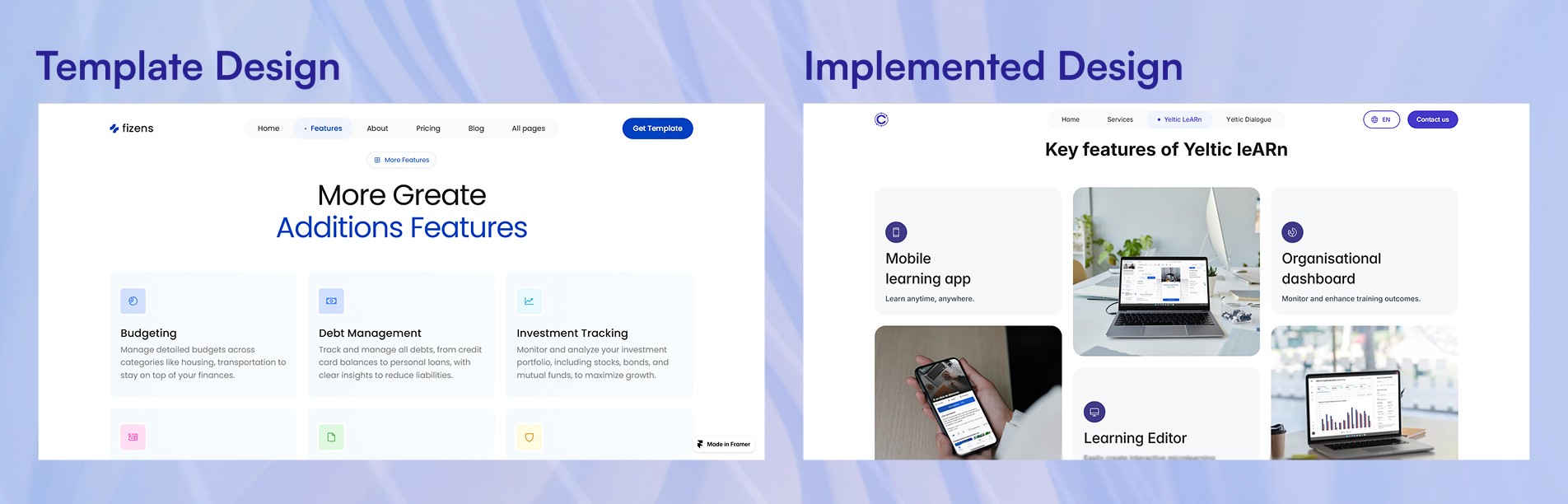
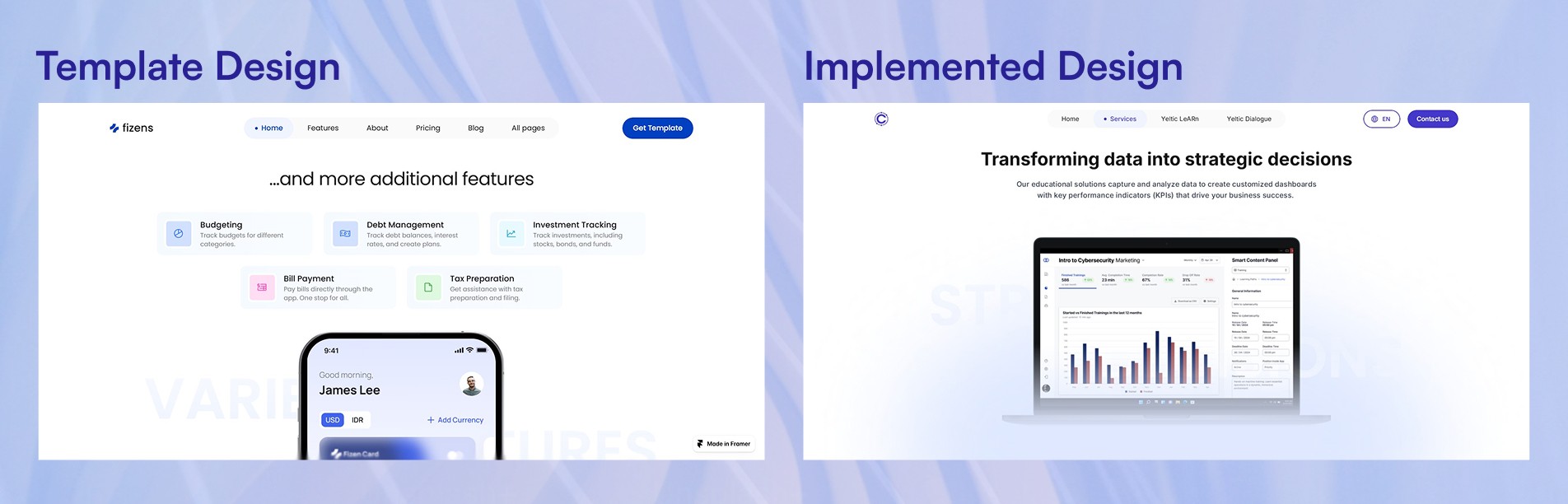
For some sections, several iterations were done, as I needed to find the best way for the information to be seen.
With the structural framework complete, I began elevating the experience layer by adding transitions to create visual continuity, then I carefully refined tablet and mobile breakpoints to preserve hierarchy, spacing and readability across all screen sizes.
This phase required extensive crossdevice testing to ensure consistency across breakpoints. To support this process, the Instructional Design Team Lead allocated a developer to assist me with responsiveness testing, this support was crucial as I would not have been able to complete all the tasks without his help.
Following responsive refinements, I moved into visual asset and images production, the most time consuming phase of this project after breakpoint optimization.




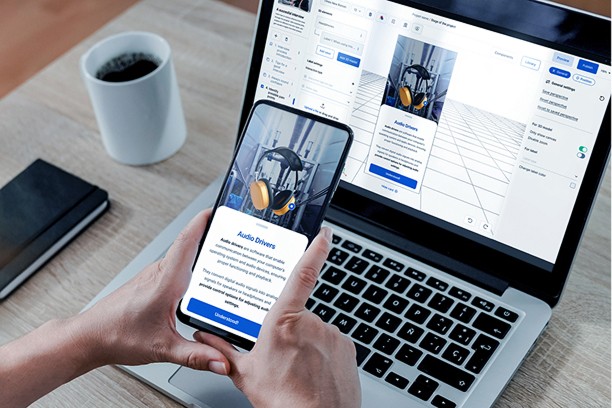



To streamline the process, the supporting developer also curated a stock image gallery based on references and art direction guidelines that I provided. While not all assets were used directly, the curated selection significantly reduced sourcing time, allowing me to quickly iterate toward the final illustrations and edited imagery.
I produced and refined all visual assets, ensuring consistency with the established color system and overall brand identity.
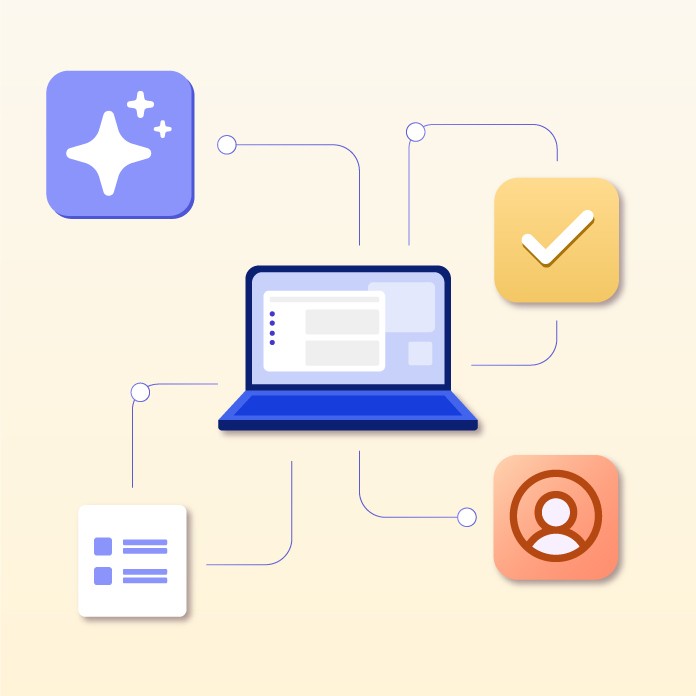



In the final stage, I focused on visual and interaction polish, as fine-tuning spacing, alignment, and validating consistency across breakpoints.
The website was then reviewed collaboratively with the involved teams to ensure messaging accuracy. All feedback was implemented in a final refinement cycle, right before connecting the company's domain, ensuring the website was ready to be seen by potential new clients.
Being the first product where I took full ownership in the development side, I feel really satisfied on how it turned out, it was a tough process due to the previously explained stoppers, but it reminds me of how we always need to figure out solutions and transform a stopper into an opportunity.